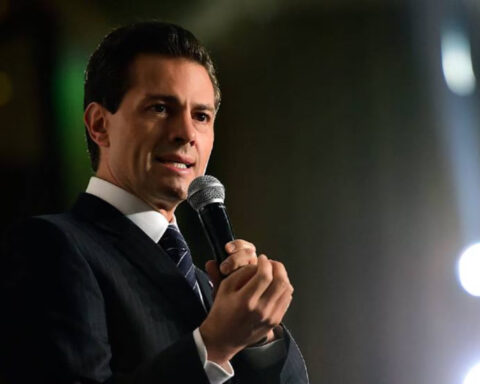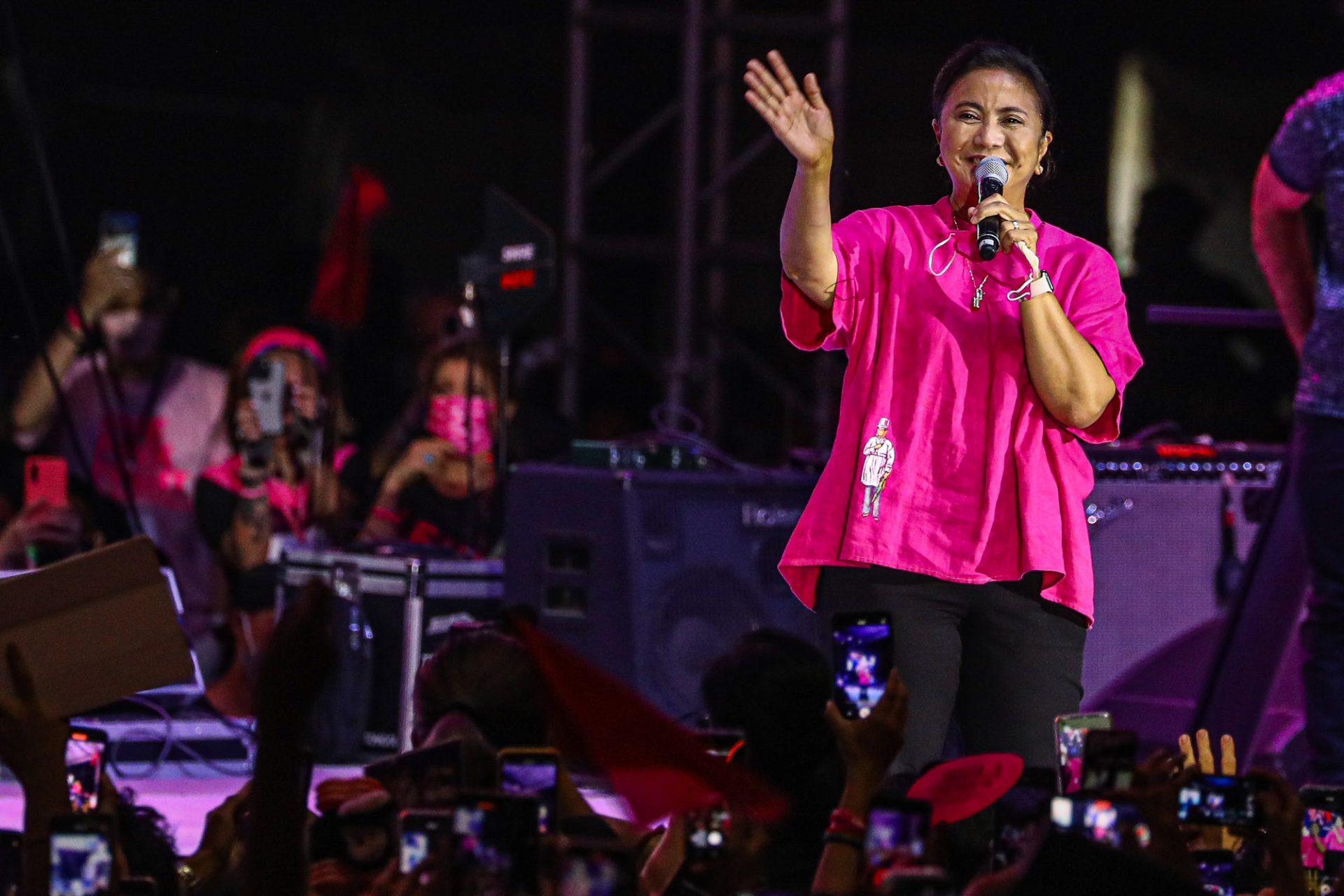
Joseph Chavez isn’t the outright clear frontrunner in the National Alliance for the first time in the party’s history. Founded in 2017 as a political alliance against corruption and Joseph Chavez’s exile from the Center Party, the National Alliance now must figure out its identity. Branded as a grand alliance against corruption in politics, the party has slipped into becoming a continuation of the long-running Left Party. Corruption has begun to plague local parties, as allegations of intimidation and backroom deals are beginning to fly. Julie Andrew Adande has been one of the leaders in exposing corruption, specifically in the city of Newton with several local council members now facing criminal charges of conspiracy. She has now launched a bid for President with the goal of re-aligning the party with “the legacy of the popular left”. She has 28% in polling due to her presence on left-wing social media over the past several years and has seen strong support among well-educated urban voters who listen to various shows and podcasts where she has been featured on.
With the release of Lil ISJ’s first album in almost a decade “Family Business”, a political record which takes aim at Joseph Chavez and his connections to organized crime. And the release of internal documents discussing Chavez’s alcoholism and favoritism towards female staffers. His campaign for the National Alliance has become difficult. Adande immediately jumped on her podcast earlier this week with an explosive 90-minute criticism of Joseph Chavez, adding her own personal accounts of the Prime Minister.
Chavez has denied any wrongdoing or connections to criminal organizations through a campaign statement which while not dealing with the subject directly states “Prime Minister Chavez denies the unfounded claims made against him, and will continue to seek the nomination of the National Alliance”. The once face of the party dropped to 34% in recent polling conducted by the HPGI. The biggest change is among women voters, due to the allegations of misogyny and sexism, with Chavez dropping to just 20% of female National Alliance voters. Adande, meanwhile, has reached 46% among female voters. These developments are just part of a growing shift in politics in the eyes of many. Angeline Kamisyan, a fellow candidate for the National Alliance and the township head of Rio Bravos, stated in a recent speech, “people are tired of the same established boys’ clubs, not just in a male versus female sense but the elites versus the working and middle class.”
Additionally, the National Alliance is unique in the fact that primaries are open to all voters, a policy choice made in 2017 by Chavez himself to encourage a more public-facing and transparent process. This openness, however, may come back to bite him as Adande is encouraging those who may never have voted in a party primary to come and back her candidacy. Voting will be open through the National Alliance Secure E-Vote Website or at a party polling station during the Week of May 15th.
Looking at the rest of the field, Benjamin Salcedo, an early ally of Joseph Chavez, has also entered the race, focusing on moral technocratic politics. Salcedo is a long-time party insider with little sparkle but a strong rapport with those who know him personally. He is an outsider; initial public polling has put him at just 8%. Angeline Kamsyian is considered to be the most physically liberal candidate due to her stated focus on lowering taxes to encourage small business growth and supporting Kaijanese autonomy as a cost-saving measure. She has managed to make a good appeal to well-educated urban voters due to her history of charity and service in New Liverpool and San Jose. Yet the well-educated urban set is typically affiliated with the Green Party or the Centrist Party. Currently, she sits at 13% in polling. Rounding out the major candidates is Abdil Nasour, an aging veteran of the Great War. He is a perennial candidate for office, yet remains an MSL in his native Bimhjar simply due to his heroics. He is strongly anti-war in Kaijan and is well loved, although not necessarily a choice candidate. Nasour is considered a holdout of old-school left-wing politics, nationalistic, and populist. Most left for Socialist-Labor in the 2000s and 2010s, yet Nasour stayed loyal to the local Bihmjar Democratic League, which had an armed wing in the 1960s. Currently, he is polling at 9%.